Alright, gather round. This is going to be important.
You’ve been approved! The bank has agreed to allow you to open your very own checking account and you’re well on your way to basic financial security!
They did! And I am! Weird thing though: they sent me a checkbook and a debit card in the mail. What am I supposed to do with these?
Glad you asked.
Why is the bank sending me things in the mail?
Simply put, the bank has to give you ways to get your money back from them and the checkbook and debit card are ways for you to do that.
You remember when you set up the checking account, right? You put some money in your account either when you opened the account or a bit after that? Well, when the time comes and you want that money back, how will you get it?
I mean, I could just go down to the bank and ask them for the money, right?
Sure, you can physically go down to the bank every time you need money and ask them to give you some cash (and they will), but it’s far more convenient (for you AND the bank) to give you a way to get your money out without having to go to the bank in person every time you need some.
That’s what checks and debit cards are for! They are ways for you to get your money out of the bank without having to go to the bank in person every time.
Now, what ARE checks and debit cards, exactly? Let’s take checks first and tackle debit cards in the next post.
Checks are a promise, remember that!
Physically a check is one of many pieces of special paper in a pretty flimsy booklet of nearly identical pieces of paper. That’s about it, not too exciting. What it represents is much more interesting!
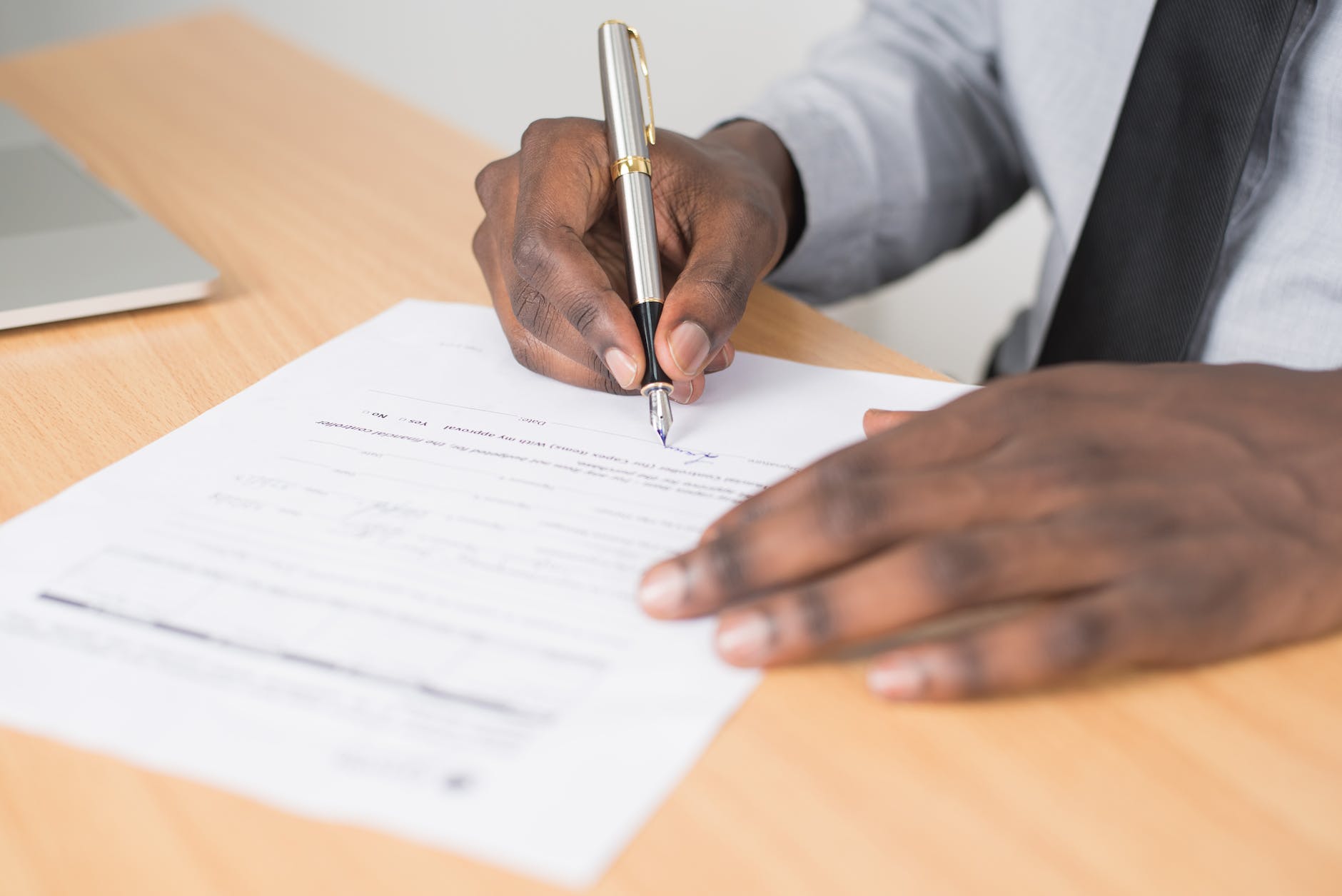
Most simply put, a check represents a promise. That’s right! A promise. When you write a check, you make a promise to the person accepting the check that:
- Your bank is a real bank and you hold a real account with them.
- Your bank will pay out the money promised on the check, if the person accepting the check asks them to. This is commonly referred to as “cashing the check”.
- You have enough money in your account to actually pay off the check when the person accepting it cashes it.
So you trade someone a check (aka a promise) for goods or services and they later take that check to your bank to cash it for real money.
I have approximately a million of these paper checks though, and the “amount” part is blank. Couldn’t I write whatever I want in there? Looking forward to finally getting a Lambo.
Immediately, you’re right. Usually, nothing will happen to you and the other person will usually accept the check, despite you not having the money for it.
Right, because they don’t actually know how much money I have, only what I’m promising to pay.
Correct, and, importantly, they are trusting you. That is to say, they are accepting the check assuming that you really DO have the money.
Hmm…if I were the one receiving the check though, I would be super mad.
Exactly. This is why writing a check for an amount of money you don’t have is a crime, called ‘check fraud’. This is more commonly called “bouncing a check” and is a very bad situation to find yourself in. Writing a check you know will bounce can be classified as a felony (major crime) and that could mean a fine or even jail time for you, if convicted. So don’t write checks for money you don’t have!
Got it. What if you do it by accident though? It’s easy to make a mistake.
That’s true, and banks know things happen and people make mistakes. So, most times, as long as the mistake isn’t too big and it isn’t happening too often, the bank will just charge you a fine, called an “overdraft fee”. This fee is usually charged once per transaction that you don’t have enough money to cover and it’s usually around $35.
Checks are kind of a bad idea
Oh that’s not too bad then. I guess I don’t have to worry that much if I go a little over.
I would still worry. $35 one time isn’t that bad, but these fees add up quickly. Remember, they charge it every time you make a purchase you don’t have the money to cover. This can lead to several overdrafts before you’re aware you’re even getting charged the extra fees! So then, not only do you owe the bank the money you promised on the checks, you now also owe them all those overdraft fees too!
Yikes. But I could work something out with them, in the worst case. Repay the fees over a couple months or something.
Maybe, but probably not. The bank can actually get repayment directly from your next deposit, and they don’t even have to ask you permission first! You won’t even know they’ve done it until you check your account after the deposit. So, if your check bounces, you’ll definitely pay for it, and the bank will make sure of it. And remember, check fraud is a crime. Do it too many times, even accidentally, and the bank may just turn you over to the police.
This is a nightmare. Why do we even have these things anymore?? Can I just not use checks?
Tell me about it. Checks are a relic of a bygone era, but in their heyday, they were quite marvelous devices. Imagine: in a cash-only world, you don’t need to ever carry cash around anymore!
But you’re right. They’re complicated to use and it’s difficult to try to keep track of all the payments and promises and balances and whatnot. Thankfully, technology has advanced and we have much easier-to-use (and more-difficult-to-mess-up) ways of accessing money in our accounts (hint, it’s the debit card the bank also sent you). We’ll cover those in the next post.
Thanks for reading.
 Common Cents